How do foundation models work?
Foundation models are large, general-purpose machine learning models designed to serve as a common base for building a wide range of AI applications. They acquire broad capabilities by being pre-trained on massive, diverse datasets before being adapted to specific tasks.
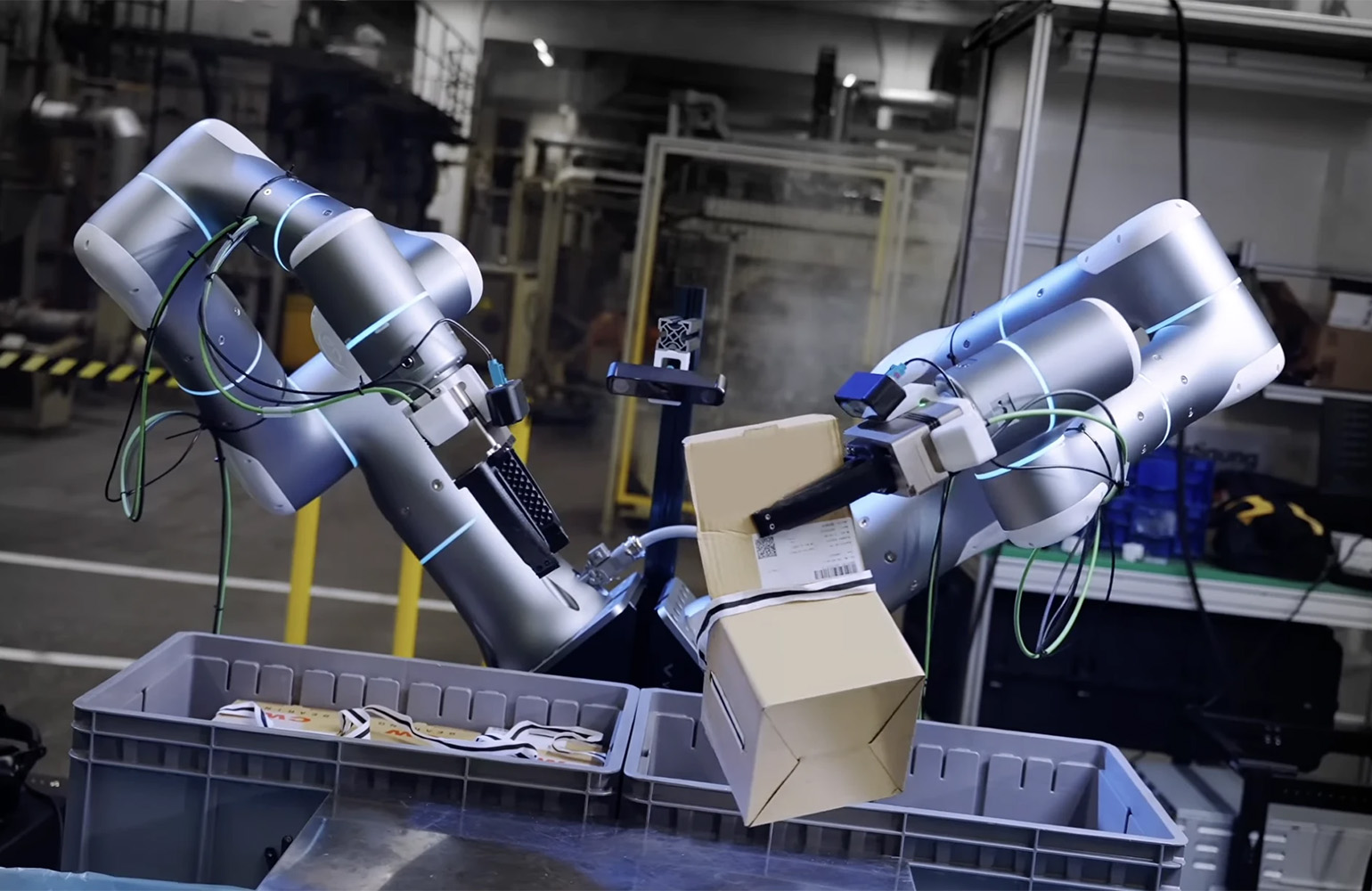
Examples of foundation models include large language models such as GPT-3, trained on extensive text corpora; computer vision models trained on large image datasets; and robotics models trained through interaction with simulated or real-world environments. During pretraining, these models learn general patterns, relationships, and representations that capture a wide understanding of the world.
This general knowledge is encoded within the model’s parameters. Once pretrained, foundation models can be fine-tuned or adapted using much smaller, task-specific datasets. For instance, a language model can be customized for summarization, question answering, or dialogue by training it further on a focused dataset relevant to that task.
This transfer learning approach is far more efficient than training separate models from scratch. Foundation models provide a versatile starting point, allowing developers to build specialized AI systems while retaining the benefits of broad, pre-learned intelligence.
Why are foundation models important?
Foundation models are important because they dramatically accelerate the development and deployment of AI systems. By offering a powerful, general-purpose base, they eliminate the need to repeatedly train models from the ground up for each new use case.
Their broad pretraining enables them to transfer knowledge across domains, requiring less data and computation to adapt to new tasks. This versatility supports rapid experimentation, innovation, and scalability across AI applications.
In essence, foundation models allow organizations and developers to build on a shared foundation of intelligence, unlocking more advanced capabilities with fewer resources.
Why foundation models matter for companies
For companies, foundation models provide a practical and efficient pathway to adopting AI at scale. By leveraging models that already encapsulate extensive language understanding, visual perception, or general reasoning, organizations can reduce development time, costs, and technical complexity.
Fine-tuning foundation models enables businesses to create domain-specific solutions—such as customer support assistants, document analysis tools, or vision-based quality inspection systems—without investing in large-scale model training.
Foundation models are especially valuable in areas like natural language processing, computer vision, and robotics, where their adaptability allows companies to address diverse business needs quickly. By building on these pretrained systems, organizations can deliver higher-quality AI-driven products and services while maximizing return on investment and staying competitive in a rapidly evolving AI landscape.