Introduction: AI Becomes a Study Companion
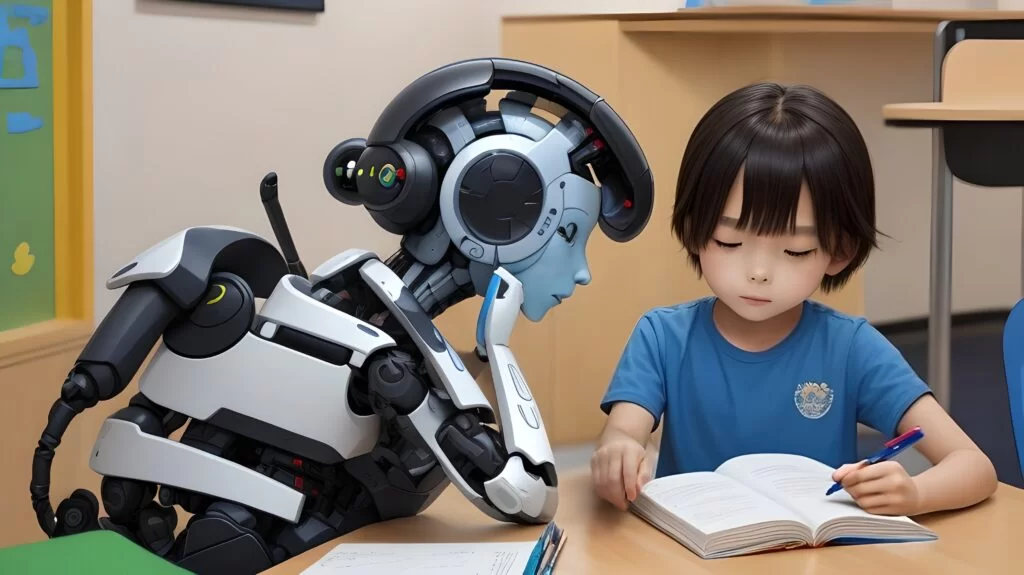
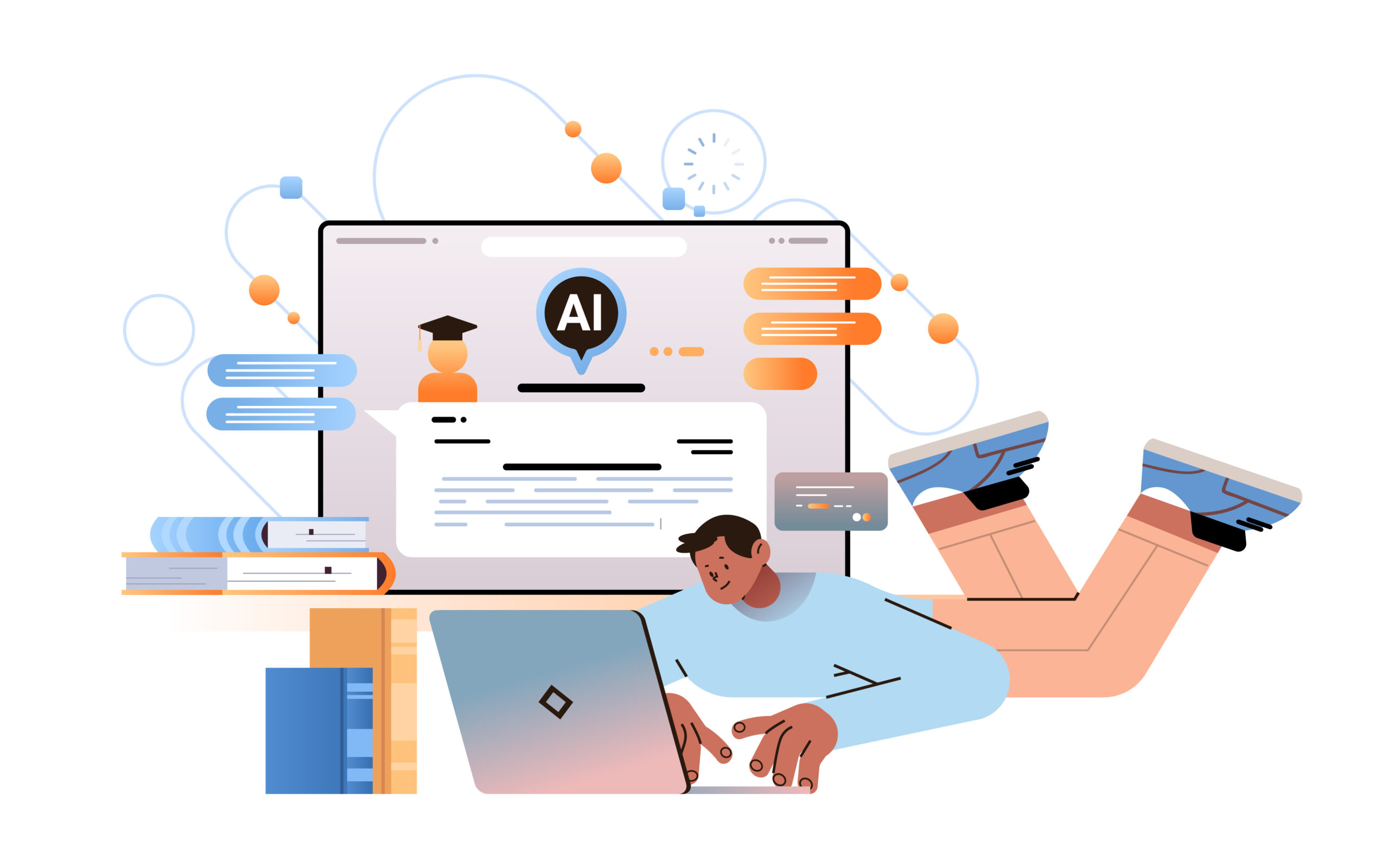
How Students Are Using ChatGPT and AI Tools for Learning reflects a major shift in how education happens outside the classroom. Instead of relying only on textbooks, notes, and tutors, students now turn to AI-powered tools for instant explanations, personalized help, and round-the-clock learning support.
Platforms like OpenAI’s ChatGPT, along with a growing ecosystem of AI learning tools, have become everyday companions for students across schools, colleges, and universities.
Why Students Are Turning to AI Tools
Students face intense academic pressure, limited access to one-on-one support, and increasingly complex curricula. AI tools help by offering:
- Instant answers and explanations
- Personalized learning at their own pace
- Support outside classroom hours
- Help across multiple subjects
For digital-native learners, AI feels like a natural extension of how they already learn.
What Is ChatGPT and How It Supports Learning
ChatGPT is an AI-powered conversational assistant that helps students understand concepts, generate explanations, practice problems, and explore ideas interactively. Instead of giving just answers, it can walk students through reasoning step by step—making it useful as a learning aid rather than a shortcut.
Students use ChatGPT to:
- Ask follow-up questions freely
- Get explanations in simpler language
- Learn by dialogue rather than static content
Popular AI Tools Students Use Today
AI Chatbots and Study Assistants
AI chatbots act as on-demand tutors. They explain math problems, clarify science concepts, help with grammar, and even quiz students interactively.
AI Tools for Writing, Coding, and Math
Beyond chatbots, students use AI-powered tools for:
- Grammar and writing improvement
- Code debugging and explanations
- Step-by-step math solutions
- Language learning and translation
These tools support learning across humanities and STEM subjects alike.
AI for Homework Help and Concept Understanding
Students increasingly use AI to understand how to solve problems—not just to get answers. By asking AI to explain steps, provide examples, or rephrase concepts, learners gain clarity and confidence.
When used properly, AI functions as a digital tutor rather than a replacement for thinking.
Using AI for Writing, Essays, and Assignments
AI helps students:
- Brainstorm essay ideas
- Create outlines and structures
- Improve clarity, grammar, and tone
- Rewrite content for better understanding
Many students use AI as a writing assistant—editing and refining their own work rather than submitting AI-generated content directly.
AI in Exam Preparation and Test Practice
Students preparing for exams use AI to:
- Generate practice questions
- Explain incorrect answers
- Create summaries and flashcards
- Simulate mock tests
This makes revision more interactive and targeted to individual weaknesses.
Learning Coding, STEM, and Technical Skills With AI
In technical subjects, AI tools explain code line by line, help debug errors, and suggest improvements. For students learning programming, data science, or engineering concepts, AI accelerates understanding and reduces frustration.
AI for Research, Notes, and Summarization
AI helps students manage information overload by:
- Summarizing long articles and chapters
- Converting lectures into structured notes
- Highlighting key points from research papers
This allows students to spend more time analyzing ideas rather than just collecting information.
Benefits of AI Tools for Students
When used responsibly, AI offers:
- Personalized learning support
- Faster understanding of difficult topics
- Improved writing and communication skills
- Greater independence and confidence
- Access to help regardless of location or time
AI is especially valuable for students who lack access to tutors or additional resources.
Academic Integrity and Ethical Concerns
Despite benefits, concerns exist around:
- Plagiarism and over-reliance on AI
- Reduced critical thinking if misused
- Unclear rules around AI-assisted work
Many institutions emphasize that AI should support learning—not replace original thinking or effort.
How Teachers and Institutions Are Responding
Schools and colleges are adapting by:
- Updating academic integrity policies
- Teaching students how to use AI responsibly
- Encouraging AI as a learning aid, not a shortcut
- Designing assessments that value reasoning and originality
Education is shifting from banning AI to guiding its ethical use.
Best Practices for Students Using AI Responsibly
Students can use AI effectively by:
- Using it to understand concepts, not copy answers
- Verifying AI outputs with trusted sources
- Combining AI help with their own thinking
- Being transparent about AI assistance when required
Responsible use turns AI into a powerful learning partner.
The Future of Student Learning With AI
AI will become a standard part of education—much like calculators or search engines. Future learning will likely include:
- AI tutors embedded in courses
- Personalized learning paths
- Continuous feedback and skill tracking
- Greater focus on critical thinking and creativity
Students who learn to use AI wisely will gain a strong advantage.
FAQs
Q1: Are students allowed to use ChatGPT for learning?
Many institutions allow it for learning and practice, but rules vary for assignments.
Q2: Does AI make students lazy?
Only if misused. When used properly, AI enhances understanding.
Q3: Can AI replace studying?
No. AI supports learning but cannot replace effort or comprehension.
Q4: Is information from AI always accurate?
No. Students should verify important information.
Q5: Do teachers know when students use AI?
Some tools detect AI use, but ethical transparency matters more.
Q6: Will AI become essential for students?
Yes. AI literacy is becoming a core academic and career skill.
Conclusion
How Students Are Using ChatGPT and AI Tools for Learning shows that artificial intelligence is reshaping education from the learner’s side. When used responsibly, AI empowers students to learn faster, understand deeper, and study more independently. The key is balance—using AI as a guide and assistant while keeping curiosity, effort, and critical thinking at the center of learning.