Introduction: The AI Inflection Point in Online Learning
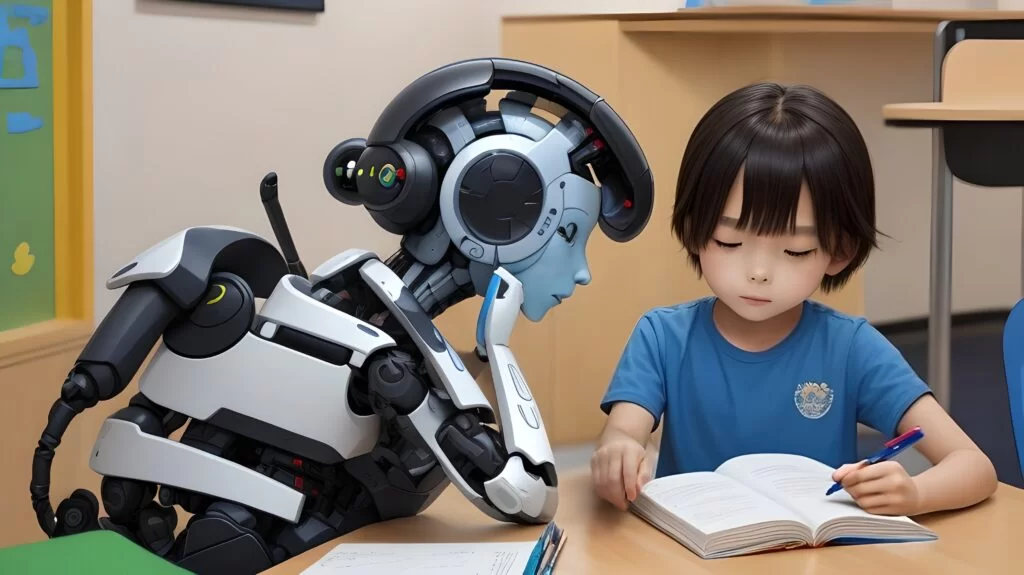
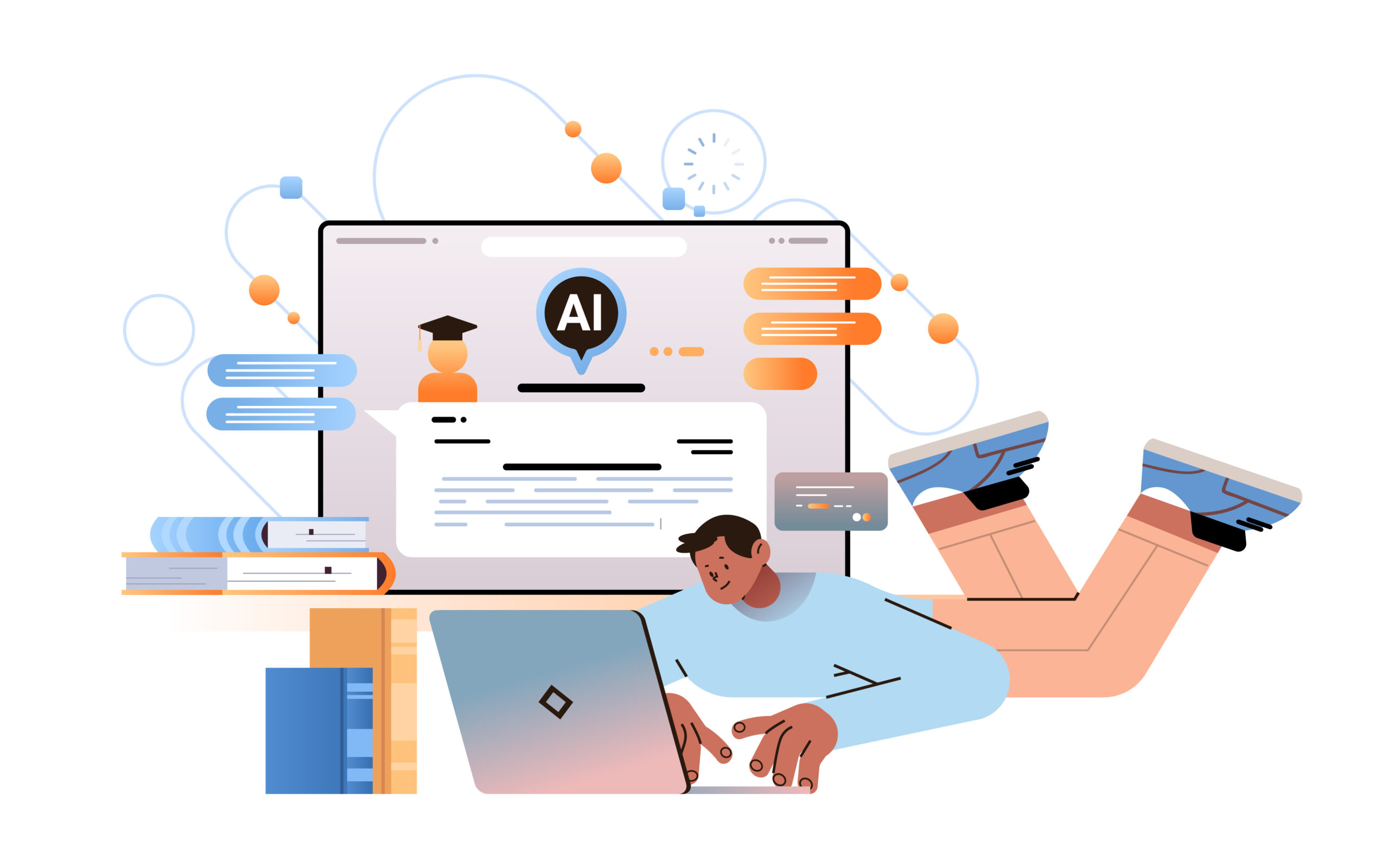
AI in Online Education: Changing the Future of EdTech Platforms marks a pivotal shift in how digital learning is designed, delivered, and measured. As online education scales globally, platforms face challenges around personalization, engagement, and learner support. Artificial intelligence is emerging as the catalyst that transforms static courses into adaptive, learner-centric experiences.
Leading platforms such as Coursera, Udemy, and Khan Academy are embedding AI to improve outcomes for millions of learners worldwide.
Why EdTech Platforms Are Rapidly Adopting AI
Online education must serve diverse learners with different goals, backgrounds, and learning speeds. AI helps EdTech platforms:
- Personalize content for each learner
- Scale support without linear cost increases
- Improve completion rates and satisfaction
- Deliver measurable learning outcomes
In a competitive EdTech market, AI-driven differentiation is becoming essential.
Core AI Technologies Powering Online Education
Machine Learning and Adaptive Learning Systems
Machine learning analyzes learner behavior—progress, errors, pace, and preferences—to adapt content dynamically. Courses adjust difficulty and sequence automatically, ensuring learners stay challenged but not overwhelmed.
Natural Language Processing and Conversational AI
Natural language processing (NLP) enables conversational interfaces that understand questions and provide explanations. AI-powered chatbots and tutors make learning interactive, accessible, and available 24/7.
Personalized Learning at Scale
Adaptive Courses and Learning Paths
AI replaces one-size-fits-all curricula with personalized learning paths. Learners who struggle receive reinforcement and alternative explanations, while advanced learners move faster—maximizing engagement and mastery.
Real-Time Feedback and Assessment
AI delivers instant feedback on quizzes, coding exercises, and practice tasks. Continuous assessment helps learners correct mistakes immediately and track progress without waiting for formal evaluations.
AI Tutors, Chatbots, and Student Support
AI tutors act as always-on teaching assistants—answering questions, summarizing lessons, and guiding practice. Support chatbots handle administrative queries like enrollment, deadlines, and certificates, improving the learner experience while reducing platform overhead.
AI in Content Creation and Course Design
EdTech creators and instructors use AI to:
- Generate lesson outlines and quizzes
- Create examples and practice problems
- Adapt content for different reading levels
- Localize courses for global audiences
This accelerates course production while maintaining quality and consistency.
Data-Driven Insights for Educators and Platforms
AI-powered analytics provide deep insights into:
- Learner engagement and drop-off points
- Concept-level mastery and gaps
- Course effectiveness and ROI
Educators refine content based on evidence, while platforms optimize recommendations and pricing strategies.
Improving Engagement and Reducing Dropout Rates
High dropout rates have long challenged online education. AI helps by:
- Identifying disengaged learners early
- Sending personalized nudges and reminders
- Recommending relevant content and pacing adjustments
These interventions significantly improve retention and completion.
AI in Credentialing, Skills Mapping, and Career Alignment
AI connects learning with employability by:
- Mapping courses to in-demand skills
- Recommending career-aligned learning paths
- Powering skill assessments and micro-credentials
Platforms increasingly align education outcomes with workforce needs, often partnering with technology providers like Google and Microsoft.
Equity, Accessibility, and Global Reach
AI expands access to education by:
- Supporting multilingual learning
- Providing assistive technologies for disabilities
- Delivering personalized support in low-resource settings
When implemented responsibly, AI helps democratize high-quality education worldwide.
Ethical, Privacy, and Governance Challenges
AI in EdTech raises important concerns:
- Learner data privacy and consent
- Algorithmic bias in recommendations and assessment
- Transparency in AI-driven decisions
Strong governance, ethical design, and human oversight are critical to maintain trust.
The Future of AI-First EdTech Platforms
The next generation of EdTech will be AI-first by design:
- Embedded AI tutors across courses
- Lifelong learning personalization
- Real-time skills verification
- Seamless integration with work and credentialing systems
Online education will become more adaptive, outcome-driven, and learner-centered than ever before.
FAQs
Q1: Does AI replace teachers on EdTech platforms?
No. AI supports instructors by enhancing personalization and efficiency.
Q2: Is AI-based learning effective?
Yes, adaptive and feedback-driven systems improve engagement and outcomes.
Q3: Are AI tutors available 24/7?
Most AI tutors and chatbots provide round-the-clock support.
Q4: How is learner data protected?
Through privacy policies, encryption, and regulatory compliance.
Q5: Can small EdTech startups use AI?
Yes. Cloud-based AI tools make adoption scalable and affordable.
Q6: Will AI become standard in online education?
Yes. AI is becoming a core capability of competitive EdTech platforms.
Conclusion
AI in Online Education: Changing the Future of EdTech Platforms shows how artificial intelligence is redefining digital learning. By enabling personalization at scale, improving engagement, and aligning education with real-world skills, AI is transforming EdTech from content delivery to intelligent learning ecosystems. The platforms that adopt AI responsibly will shape the future of global education.