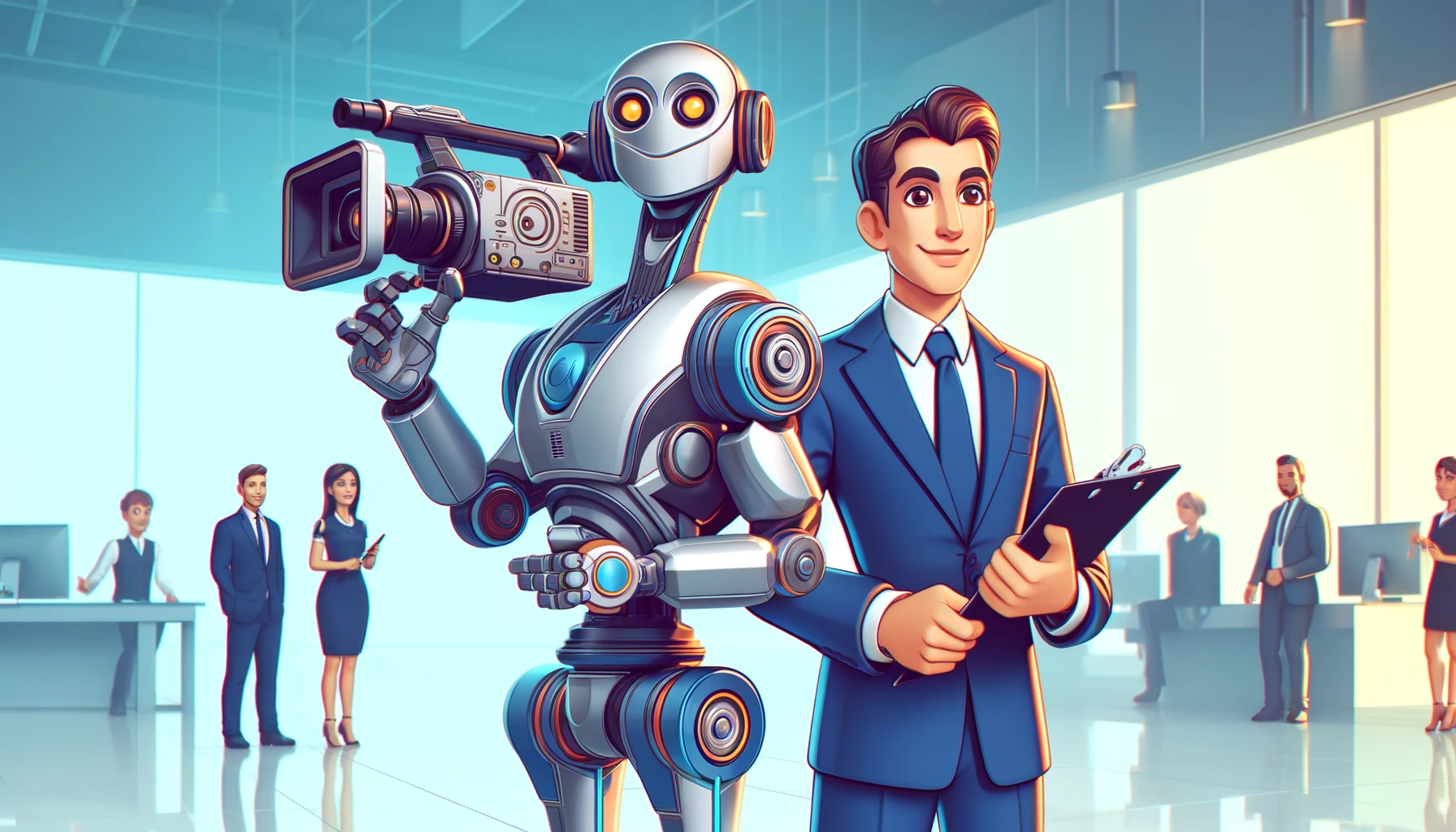

Introduction: The AI Revolution in Media and Entertainment
How AI Is Transforming Media and Entertainment Industry captures a dramatic shift in how stories are created, distributed, and consumed. Artificial intelligence has moved from behind-the-scenes automation to a creative force influencing films, music, journalism, gaming, and digital platforms.
Global media leaders such as Netflix, Disney, and technology innovators like Adobe are integrating AI to enhance creativity, improve efficiency, and deepen audience engagement.
Why the Media and Entertainment Industry Is Embracing AI
Media companies operate in a highly competitive, fast-paced environment shaped by:
- Massive volumes of digital content
- Fragmented audiences across platforms
- Demand for personalization and instant access
- Pressure to reduce production and distribution costs
AI helps media organizations analyze audience behavior, automate workflows, and create content at scale—without sacrificing quality.
Core AI Technologies Used in Media
Machine Learning and Predictive Analytics
Machine learning analyzes viewer behavior, engagement patterns, and consumption trends. These insights guide content decisions—helping studios predict what audiences want and when they want it.
Generative AI and Content Automation
Generative AI creates scripts, music, visuals, trailers, subtitles, and even virtual characters. While humans remain central to storytelling, AI accelerates ideation and production processes dramatically.
AI in Film and Television Production
AI supports film and TV production by:
- Enhancing visual effects (VFX) and CGI
- Automating video editing and color correction
- Assisting script analysis and storyboarding
- Predicting box-office or streaming performance
Studios use AI to reduce costs, speed up post-production, and make data-informed creative decisions.
AI in Music Creation and Audio Engineering
In music, AI assists artists and producers by:
- Generating melodies and beats
- Enhancing sound quality and mixing
- Creating personalized soundtracks
- Restoring and remastering old recordings
AI tools empower musicians to experiment creatively while lowering technical barriers.
AI-Powered Content Recommendation Systems
Recommendation engines are among AI’s most visible media applications. Streaming platforms use AI to analyze viewing habits and suggest content tailored to individual preferences.
Companies like Spotify and Netflix rely heavily on AI-driven personalization to improve engagement, retention, and satisfaction.
AI in Journalism and Digital Publishing
AI is transforming newsrooms by:
- Automating routine news reporting (e.g., sports scores, financial updates)
- Assisting fact-checking and data analysis
- Generating summaries and headlines
- Translating content for global audiences
Journalists use AI as a research and productivity tool—while editorial judgment remains human-led.
AI in Gaming and Interactive Entertainment
Gaming is one of the most AI-intensive entertainment sectors. AI enables:
- Smarter non-player characters (NPCs)
- Dynamic storylines that adapt to player choices
- Realistic physics and environments
- Personalized gaming experiences
Studios such as Epic Games leverage AI to create immersive, adaptive worlds.
AI in Advertising, Marketing, and Audience Targeting
AI optimizes media marketing by:
- Predicting campaign performance
- Personalizing ads across platforms
- Automating creative variations
- Analyzing audience sentiment
Advertisers reach the right audience with the right message—improving ROI and relevance.
Personalization and Fan Engagement
AI enhances fan experiences through:
- Personalized content feeds
- Virtual influencers and avatars
- AI-powered chatbots and fan assistants
- Interactive and immersive storytelling
Entertainment becomes more participatory and tailored to individual tastes.
Benefits of AI for Media Companies and Creators
AI delivers significant advantages:
- Faster content production
- Lower operational costs
- Data-driven creative decisions
- Improved audience engagement
- Global scalability
Creators gain powerful tools, while companies operate more efficiently.
Ethical, Legal, and Creative Challenges
Despite its benefits, AI raises concerns:
- Copyright and intellectual property rights
- Deepfakes and misinformation
- Job displacement fears
- Authenticity and originality of AI-generated content
Balancing innovation with ethical standards and creative integrity is critical.
The Future of AI in Media and Entertainment
The future points toward AI-augmented creativity:
- Human creators collaborating with AI tools
- Real-time, interactive entertainment experiences
- Hyper-personalized content ecosystems
- Stronger governance around ethical AI use
AI will not replace storytellers—it will expand how stories are imagined and delivered.
FAQs
Q1: Is AI replacing human creators in media?
No. AI supports and augments human creativity.
Q2: Does AI-generated content lack originality?
AI depends on human direction—creativity remains human-led.
Q3: Are AI recommendations shaping what we watch?
Yes, but user choice still plays a key role.
Q4: Can AI reduce media production costs?
Yes, significantly—especially in editing and post-production.
Q5: Is AI a threat to jobs in entertainment?
Roles are evolving, not disappearing—new skills are emerging.
Q6: Will AI dominate the future of entertainment?
AI will be foundational, but human creativity remains central.
Conclusion
How AI Is Transforming Media and Entertainment Industry highlights a powerful evolution in how content is created, distributed, and experienced. By enhancing creativity, personalizing experiences, and improving efficiency, AI is redefining the entertainment landscape. The future belongs to creators and companies that harness AI responsibly—combining technology with human imagination to tell better stories.